

In today’s corporate environment, employee well being has moved from a secondary concern to a central business priority. Organisations across the UAE are beginning to recognise that long term growth is not driven by strategy alone, but by the mental strength and stability of their workforce.
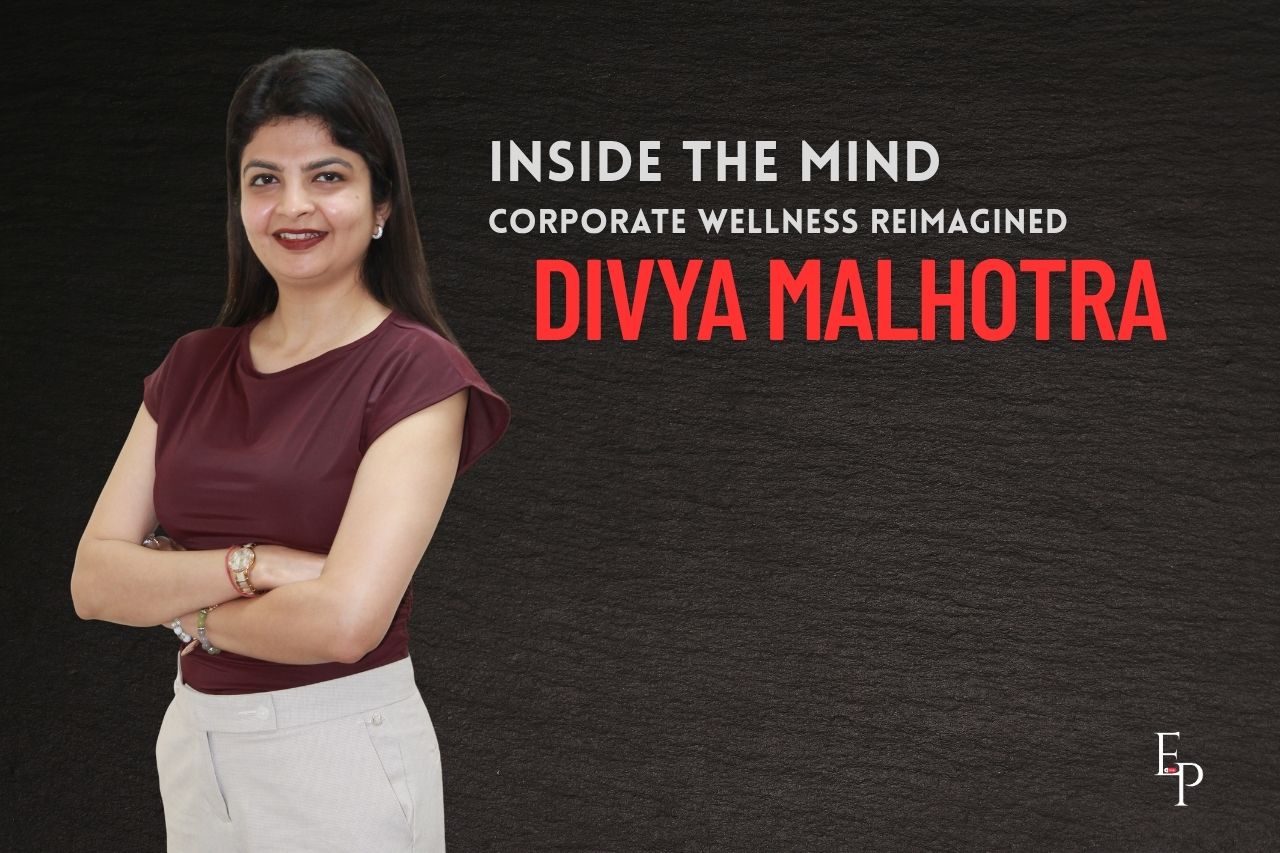
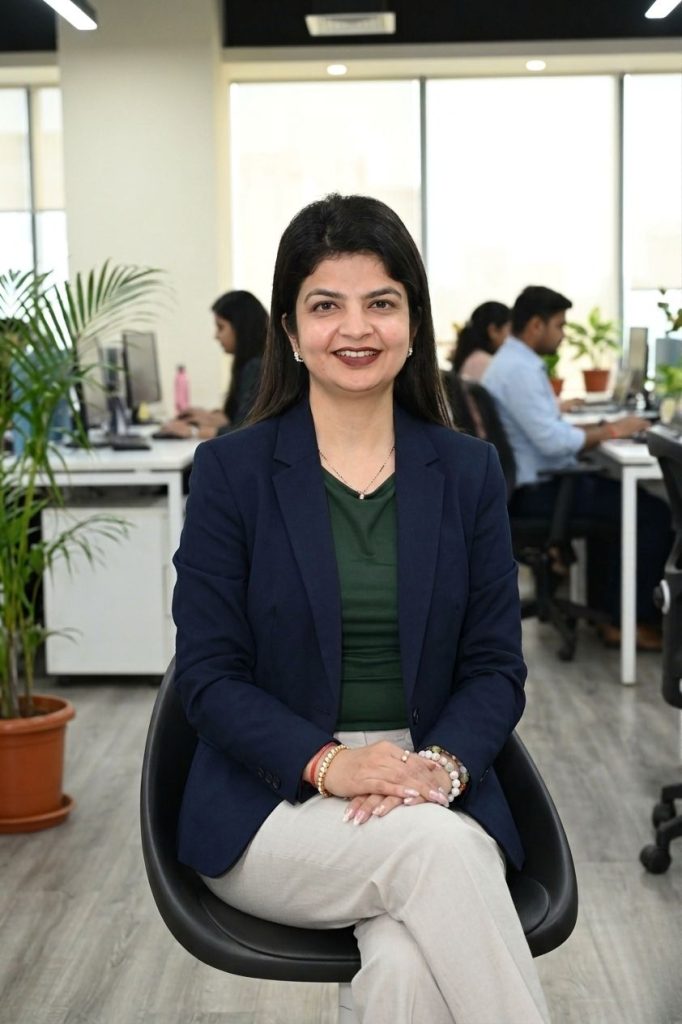
At the forefront of this shift is Divya Malhotra, a practising psychologist from India with over seven years of experience and a Master’s degree in Clinical Psychology. Her work focuses on helping organisations rethink how they approach mental health, not as a response to problems, but as a preventive strategy that strengthens performance, resilience, and workplace culture.
Divya’s approach is grounded in a simple yet powerful belief. Mental health should not be treated as a crisis management tool. It should be built into the everyday functioning of an organisation.
A Shift from Reaction to Prevention
For years, companies have relied on reactive support systems, stepping in only when employees experience burnout, stress, or declining productivity. While these interventions remain important, Divya believes they address the symptoms rather than the cause.
Her work encourages organisations to take a more forward looking approach. By focusing on prevention, businesses can reduce workplace stress before it escalates, improve communication across teams, and create environments where employees are equipped to manage pressure effectively.
In high performance markets like the UAE, where expectations are constantly rising, this shift is becoming increasingly relevant. Companies are no longer asking how to fix problems after they occur. They are asking how to build systems that prevent them altogether.
Mental Health as a Business Advantage
What sets Divya apart is her ability to connect mental well being with measurable business outcomes. Her programs are not designed as standalone wellness initiatives, but as tools that directly influence productivity, collaboration, and decision making.
A mentally strong workforce, she explains, is more focused, more adaptable, and better equipped to handle challenges. Employees who understand their emotional patterns tend to communicate more effectively, resolve conflicts faster, and contribute more meaningfully to team goals.
This perspective is gaining traction across the UAE, where organisations are placing greater emphasis on employee retention, engagement, and long term performance. Increasingly, mental wellness is being seen not as an added benefit, but as a strategic investment.
Practical Tools for Real Workplaces
Divya’s work spans leadership teams, middle management, and frontline employees. Her sessions are designed to be practical and immediately applicable, ensuring that employees can integrate what they learn into their daily routines.
She focuses on developing key skills such as self awareness, which improves decision making and accountability, and communication techniques that reduce workplace friction and build stronger team relationships.
Her programs also address emotional regulation, helping employees manage stress and maintain consistent performance even in high pressure environments. Cognitive reframing techniques are introduced to enhance adaptability, allowing individuals to approach challenges with clarity and solution oriented thinking.
In addition, she incorporates mind and body integration strategies that improve focus, energy levels, and overall work efficiency.
These tools are designed to be simple yet effective, making them accessible to employees across all levels of an organisation.
Bridging Psychology and Business
Clients often describe Divya’s style as both empathetic and structured. She creates an environment where employees feel comfortable engaging in open conversations, while maintaining a clear focus on outcomes and performance.
Her strength lies in translating complex psychological concepts into practical strategies that resonate within a corporate setting. Rather than presenting mental health as an abstract or sensitive topic, she aligns it with everyday business challenges such as team communication, leadership effectiveness, and stress management.
This approach ensures that organisations see immediate value. Employees leave her sessions with actionable insights that can be applied directly in their work.
The Role of Leadership
Beyond individual development, Divya emphasises the importance of leadership in driving meaningful change. She believes that a healthy workplace culture begins at the top.
Leaders who prioritise open communication, demonstrate emotional intelligence, and support employee well being set the tone for the entire organisation. Their actions influence how mental health is perceived and addressed across teams.
Divya works closely with leadership groups to help them develop these capabilities, enabling them to build environments where employees feel supported, valued, and motivated.
A Growing Need in the UAE
The UAE’s corporate landscape is defined by diversity, rapid growth, and high performance expectations. While these factors contribute to economic success, they also present challenges in maintaining employee well being.
Organisations are increasingly recognising the need for long term solutions that go beyond short term fixes. They are investing in programs that build resilience, strengthen team dynamics, and support sustainable performance.
Divya’s preventive approach aligns closely with these priorities. By addressing mental health at its foundation, her work helps organisations reduce burnout, improve retention, and enhance overall productivity.
Looking Ahead
As conversations around workplace mental health continue to evolve, there is a clear shift towards integration. Companies are moving beyond awareness campaigns and exploring ways to embed mental well being into their core operations.
Divya envisions a future where mental health is not treated as a separate initiative, but as an essential part of how organisations function. In this model, employees are equipped with the tools to manage challenges proactively, and leaders play an active role in supporting their teams.
Her work reflects a broader transformation in how businesses view their people. It highlights the growing understanding that a strong organisation is built on a strong workforce, not just in skill, but in mindset.
In a world where pressure and performance often go hand in hand, this perspective is both timely and necessary. Investing in mental health is no longer just about care. It is about building organisations that are prepared to perform, adapt, and grow in a sustainable way.
As more companies embrace this approach, the future of work is set to become not only more productive, but also more balanced, resilient, and human.